Referral marketing is one of the most cost-effective ways to acquire customers. It transforms your happy customers into brand advocates who actively promote your products within their networks. But what exactly is referral marketing, and how can your brand leverage it effectively?
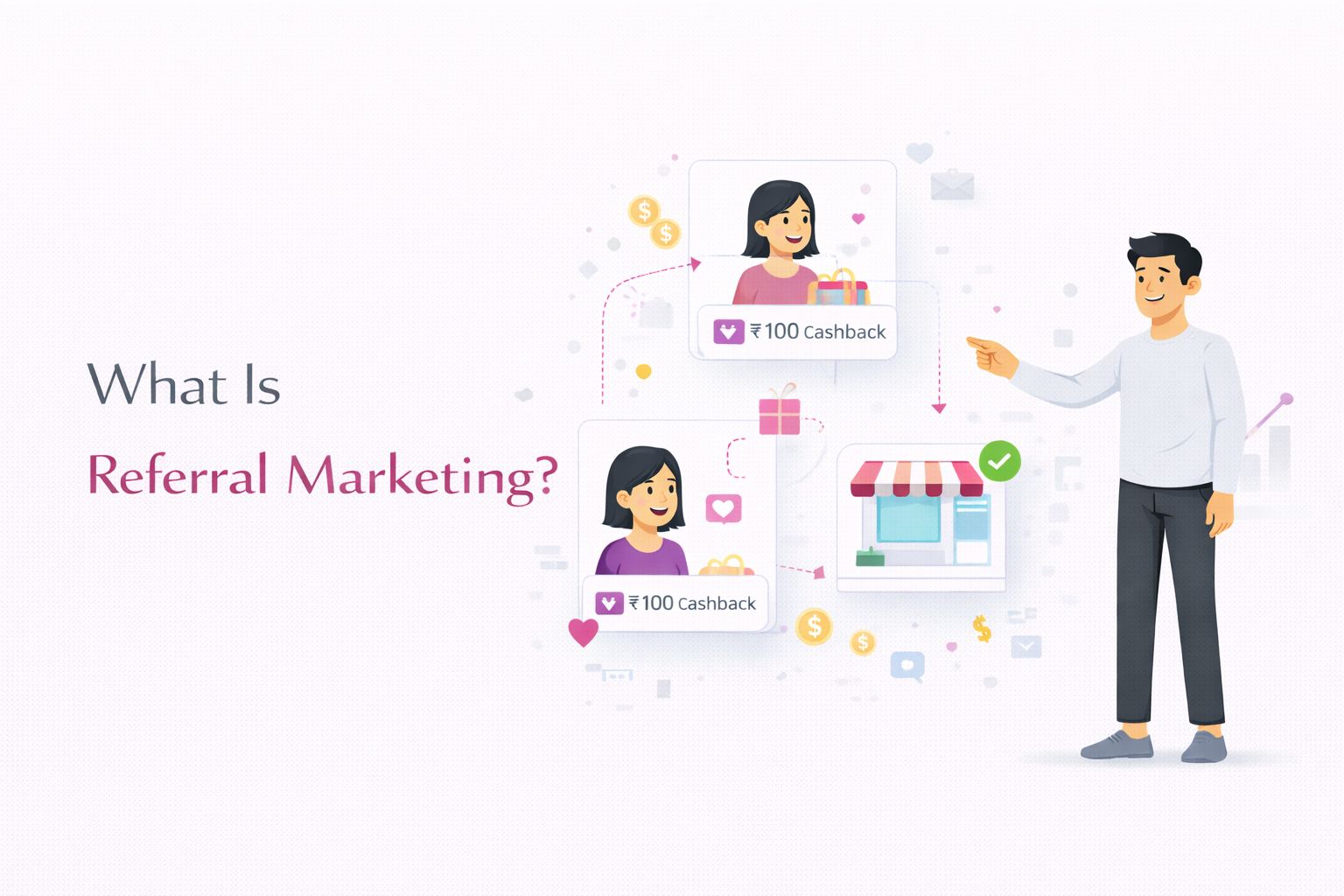
Referral marketing involves encouraging your existing customers to recommend your brand to their friends, family, or network. Typically, this is incentivised by offering rewards—like discounts, cashbacks, or store credits—to both the referrer and their friend upon successful transactions.
Unlike traditional advertising, referral marketing taps into personal relationships, capitalising on genuine recommendations, trust, and word-of-mouth to drive sales. This makes referrals an incredibly authentic form of promotion.
Why are brands adopting referral marketing?
In an era where customer acquisition costs (CAC) continue to rise, brands are searching for smarter and more cost-effective strategies to drive sustainable growth. Referral marketing emerges as a highly effective alternative because:
1. Authentic and Trustworthy
Referral marketing leverages the power of personal trust. A recommendation from a friend or peer carries significantly more weight than an advertisement or promotional email. In Nielsen’s Global Trust in Advertising survey (2012), 92% of respondents said they trust recommendations from people they know.
2. Cost-Effective Customer Acquisition
Traditional advertising costs have become volatile and unpredictable. Referral marketing, however, is directly performance-based. You only reward referrals after successful conversions, dramatically reducing upfront costs.
3. Higher Customer Lifetime Value (CLTV)
Referred customers often have higher retention rates, repeat purchase rates, and lifetime value because they begin their relationship with your brand through a trusted recommendation.
How does referral marketing reduce CAC?
Referral marketing directly lowers your CAC by:
- Reducing reliance on paid ads: Decrease your dependency on fluctuating ad budgets and unpredictable CPC/CPM rates.
- Leveraging existing customers: Your current customers become an organic growth channel without incurring additional costs.
- Driving high-quality leads: Referrals often generate highly targeted and qualified leads due to the personal nature of recommendations.
In short, referral marketing offers a strategic way to sustainably scale your business without proportionately increasing marketing costs.
How do you run a successful referral program?
Creating a successful referral program involves strategic planning and execution. Here's a step-by-step framework you can follow:
1. Define Clear, Attractive Incentives
Your incentives need to be enticing enough to motivate your customers and their friends. Popular incentives include:
- UPI cashback: cashback via platforms like RazorpayX to seamlessly reward your customers.
- Store credits or discounts: Encourages repeat purchases while rewarding loyalty.
- Exclusive Rewards: Provide exclusive products as rewards.
2. Seamless UX and Easy Sharing
Make your referral experience frictionless. Include referral widgets prominently on your thank-you pages and homepage. Enable easy sharing via channels like WhatsApp, email, and SMS to simplify the referral process.
With Referbro, after purchase, customers immediately see a referral link to share via WhatsApp, providing instant gratification and ease of sharing.
3. Measure and Optimize Regularly
Consistently monitor metrics like referral conversion rates, average order value, and overall CAC reductions. Use this data to refine your referral messaging, incentives, and sharing channels.
4. Promote your Referral Program Actively
Use multiple channels to regularly remind customers about your referral program. Include referral messaging in emails, SMS, and social media campaigns. Clear, consistent messaging ensures ongoing visibility and engagement.
Conclusion
Referral marketing isn’t just a trendy growth hack—it's an essential growth engine for modern D2C brands. By strategically implementing a well-optimized referral program, you leverage existing customers to drive sustainable, scalable growth while paying only for results.
Ready to transform your customers into your strongest growth channel? Get a Demo